
Remission of Type 2 Diabetes
Remission of Type 2 diabetes
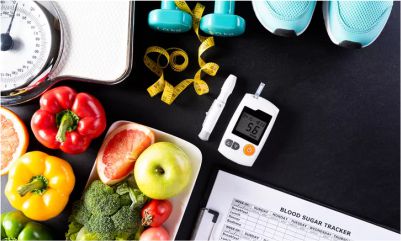 Approximately 400 million people worldwide are diagnosed with Type 2 diabetes. In the past, more focus was put on the progressive nature of the disease. However, on a more positive note, Dambha-Miller et al. (2019) reported that Type 2 diabetes can enter remission.
Remission of diabetes is classified as an HbA1c of <6.5% without any pharmacological or surgical interventions. This can be achieved by significant energy restriction, resulting in a weight loss of approximately 10% body weight. It is recommended to lose this weight within the first five years after diabetes is diagnosed.
This rationale may motivate individuals when more realistic weight goals are set in collaboration with the assistance of a dietician, instead of focusing on unachievable high weight targets, which could be detrimental to success.
Reference
H. Dambha-Miller, Day, A.J., Strelitz, J., Irving, G. & Griffin, S.J. 2019. Behaviour change, weight loss and remission of Type 2 diabetes: a community based prospective cohort study. Diabetic Medicine. 00:1-8.
Very low calorie diets in the management of type 2 diabetes mellitus

Similar findings were reported by Lin (2011); no oral hypoglycaemic treatment was given to type 2 diabetic patients following a VLCD for 8 weeks. Fasting blood glucose levels normalized within one week. As a result, diabetes went into remission; glucose production by the liver normalized, and first-phase insulin response returned.
Both liver and pancreatic fat levels were reduced to the same level as those without diabetes. After a three-month period following a VLCD diet, liver fat did not increase, while pancreatic fat continued to decrease.
Although a mean weight gain of 3.1 kg was experienced, 7 out of 11 patients remain in remission. Individuals with diabetes for two years had a decrease in fasting blood glucose from 9.6 to 5.8 mmol/l. When diabetes is present for approximately 12 years, fasting blood glucose decreased from 13.4 to 8.4 mmol/l.
According to this study, 87% of people with short-term diabetes and 50% with long-term diabetes were in remission after 8 weeks.
Reference
Lim EL, Hollingsworth KG, Aribisala BS, Chen MJ, Mathers JC, Taylor R. 2011. Reversal of type2 diabetes: Normalisation of beta cell function in association with decreased pancreas and liver triacylglycerol. Diabetologia. 54(10):2506-14.
Very low calorie diets in the management of type 2 diabetes mellitus
A study was conducted by Van Wyk and Daniels (2016) amongst 11 people with type 2 diabetes on an outpatient basis. A very low-calorie diet (VLCD), consisting of three food replacement shakes and unrestricted quantities of non-starchy vegetables (<800 kcal), was followed. After two weeks, one shake was replaced with a solid meal consisting of lean protein and vegetables without specific calorie restriction. During the fourth week, only one meal replacement shake was used.
Patients experienced a mean weight loss of -4.39 kg, decreased waist circumference (-4.32 cm), and lower body mass index (-1.4 kg/m2).
For a period of three days, the mean fasting blood glucose before lunch and supper decreased by -3.07, -3.65, and -2.9 mmol/l, respectively. Due to these positive results, hypoglycaemic and insulin treatment were reduced.
The fasting blood glucose of individuals dependent on insulin was 10.75, 12.55, and 10.30. When the VLCD diet was followed for 4 weeks, the mean fasting decreased to 7.5, 7.3, and 6.98 mmol/l. These positive results occurred despite having diabetes for 15 years. The mean total daily insulin dosage also reduced from 121 to 69 units.
In general, most individuals were satiated with the use of a mean meal replacement. However, some reported taste fatigue, bloating, cramping, and flatulence, which may be due to the prevalence of sugar alcohols.
Van Wyk and Daniels concluded that less oral hypoglycaemic treatment, especially gliclazide, is required after following the VLCD. People dependent on insulin also require less insulin.
Reference
Van Wyk, H. & Daniels, M. 2016. Case Discussion: The use of very low calorie diets in the management of type 2 diabetes. South African Journal of Clinical Nutrition. 29(2):96-102.